


Records of interesting bird sightings are always welcomed by the Alderney Island Bird Recorder: Matt Scragg by email (
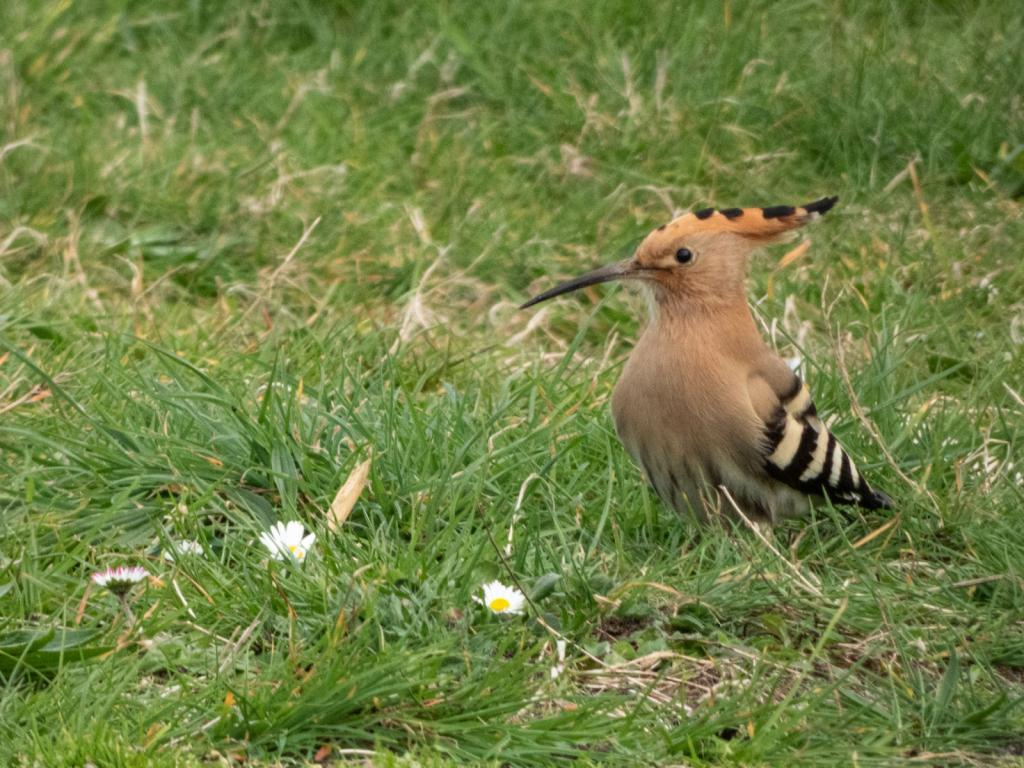
The role of the Alderney Bird Recorder is the same as those in the other Channel Islands and UK counties. All records received are scrutinised and assessed. The same criteria and verification process is applied for sightings of rare bird or unusual sightings (e.g. a swallow in December) as for UK national ornithological records. This requires sightings of rare bird, as defined in the Alderney Bird List, to be documented using forms A and B (links below). Photographs are particularly valuable. Records for the Guernsey Bailiwick islands including Alderney are considered periodically by the rare birds committee.
Form A - required for all Alderney rarities
Form B - required if no photographic record
Please note that only sightings that are reported to the Alderney bird recorder are included in the official bird records for the island and in the working list of the birds of the Channel Islands. Sightings of rarities must also be accepted by the Bailiwick rarities committee.
The ABO submits migration monitoring data to the Bird Observatories Council as part of its accreditation criteria.
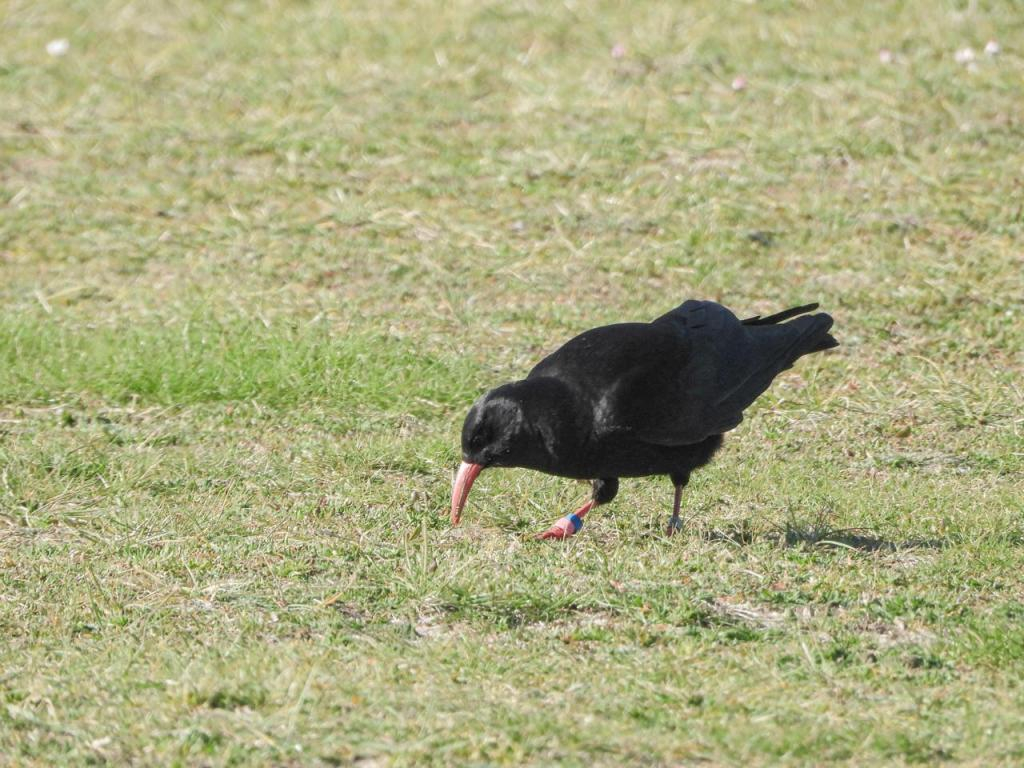
Data from birds ringed by the ABO is submitted to EURING (a European-wide bird-ringing database) via the Channel Islands Bird Ringing Scheme (CIBRC). This includes data from birds caught which have been ringed outside Alderney or rings which have been read in the field (usually coloured rings with visible letters or numbers). This information is valuable for both identification and scientific research. Measurements and sometimes pictures of birds in the hand are taken. Occasionally a DNA sample (usually a small feather) is taken by ABO bird ringers. All ringing activities are carried out strictly in accordance with licences issued by the CIBRC and States of Alderney.
An annual report is produced by the ABO detailing bird sightings, ringing statistics and recoveries. The report is produced after the rare bird committee has considered the rare or unusual bird sightings. Those reports are made available free of charge to ABO members.